
· by Michael Blair, Nashville's Contractor
Most people who ask us to build on their own lot already own the land, or are about to. Before we can put a fair price on a custom home there, we need to know what water does to the lot, what is under it and what runs past it, because each of those can change the cost of the same floor plan. Much of it can be looked up before anyone visits, on public maps kept by FEMA, the USDA and the local water utility. Here is what we check first, around Mt. Juliet and the rest of Middle Tennessee, and where you can check it yourself.
What should you check before building on a lot?
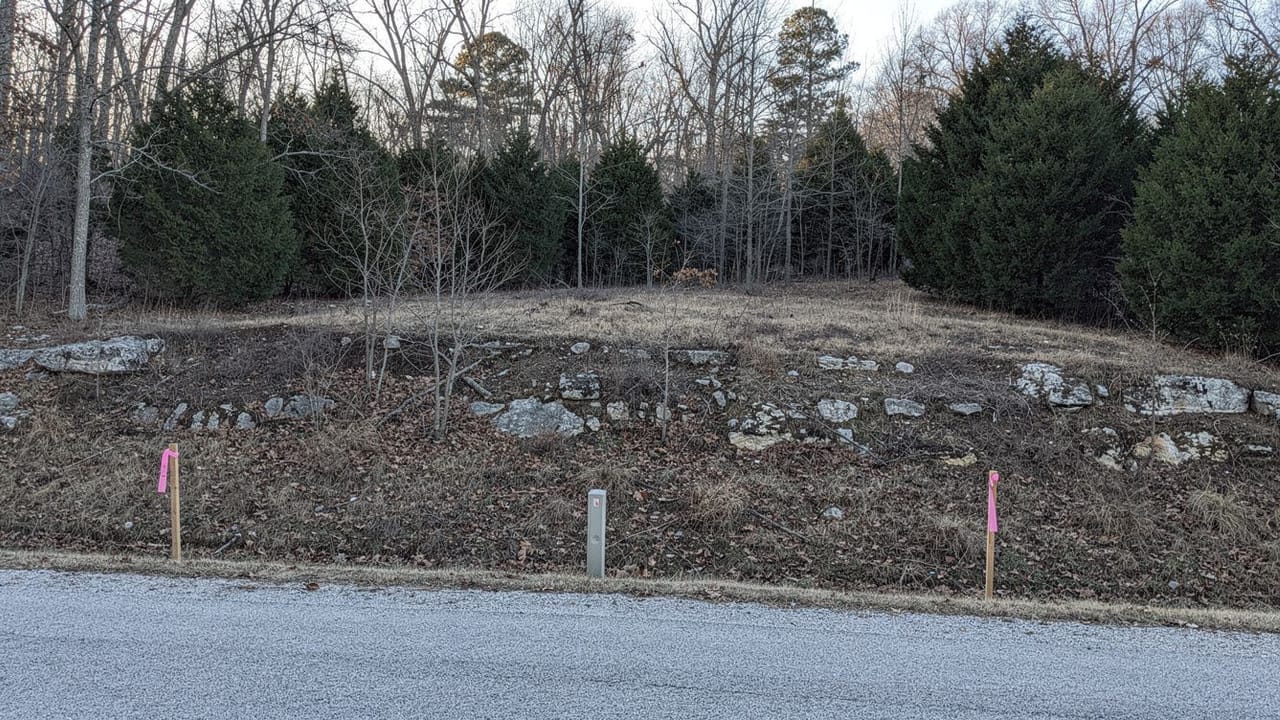
Four things, before any plan is priced: whether the lot sits in a mapped flood zone, what the soil and rock are like, how it gets water and sewer, and how the ground drains. Each one can add work that a floor plan does not show. A floodplain can mean a raised floor, rock can mean a harder dig for the foundation, a lot without sewer needs a septic system, and a lot that needs a lot of earth moved can need a grading plan. None of them rules a lot out on its own, but together they decide what the site costs before the house starts.
The first two can be looked up from home with an address. The utilities take a call or an application, and drainage takes a visit. We walk every lot before we give a number, but an owner who has looked at the maps first asks better questions of the seller, and of us.
- Flood: the FEMA flood map for the address
- Soil and rock: the USDA soil survey ratings for the lot
- Water and sewer: which utility serves it, and whether there is a sewer line at all
- Drainage: where water runs across the lot, seen on a walk
How do you find out if a lot is in a flood zone?
Look up the address on FEMA’s Flood Map Service Center, which FEMA calls the official public source of flood hazard information for the National Flood Insurance Program. It takes an address, a place name or coordinates, and opens the official flood map for that spot. If the mapped flood area reaches the part of the lot where the house would sit, that is the first conversation to have, ahead of the price.
In Davidson County it also changes what can be built. Metro Water Services’ build responsibly page requires a house in the floodplain to have its lowest finished floor at least four feet higher than the 100-year flood elevation (the flood with a 1 percent chance in any year) and bars development in the floodway itself, with few exceptions. Our post on site grading plans in Nashville covers the grading permit that larger land disturbance needs.
What does the soil survey tell you about a building lot?
It tells you, before anyone digs, how the mapped soil is rated for a house and how far down the first hard layer sits. The USDA Natural Resources Conservation Service runs Web Soil Survey, where you draw an area of interest around the lot and open its soil map. The NRCS guide to the Soil Data Explorer tab lists building site ratings for dwellings with basements, dwellings without basements and shallow excavations, and soil properties such as the depth to any restrictive layer and linear extensibility, which is how much a soil shrinks and swells.
Read it as a map, not a test. The survey describes soils across an area rather than the exact spot where a footing goes, so a poor rating is a reason to ask for borings, and a good one is not a promise. A shallow restrictive layer is the line we look at hardest, because it changes how a foundation gets dug and whether a basement makes sense on that lot.
Who connects water and sewer to a new house?
The local utility does, and the builder applies to it. In Davidson County, Metro Water Services’ water and sewer permits page lists a residential development guide and a service permit request form for single-family homes, and the water and sewer taps are paid for and scheduled online. Outside Metro the water may come from a utility district, and on a rural lot there may be no sewer line at all.
Where there is no sewer, the house needs a septic system, and the permit for it starts with the soil. Our post on septic permits for a new home in Middle Tennessee covers who issues it and how the evaluation runs. Bring us the address, the survey or plat if you have one, and any restrictions in the deed, and we will walk the lot and price the site work before you commit to a plan.
Sources
- FEMA Flood Map Service Center — The official public source of flood hazard information for the National Flood Insurance Program; search by address, place or coordinates for the official flood map
- Metro Water Services, Build Responsibly — In the floodplain, lowest finished floor at least four feet over the 100-year (1 percent) flood elevation; development in the floodway prohibited with few exceptions
- USDA NRCS, Web Soil Survey — Soil maps and data from the National Cooperative Soil Survey, by area of interest
- USDA NRCS, Soil Data Explorer Tab guide (Web Soil Survey) — Building Site Development ratings for dwellings with and without basements and shallow excavations; depth to any soil restrictive layer; linear extensibility
- Metro Water Services, Water and Sewer Permits — Single-family residential development guide, service permit request form, and water and sewer taps paid and scheduled online
FAQ
Building on Your Own Lot: What to Check First — questions
How can I tell if my building lot is in a flood zone?
Enter the address on FEMA’s Flood Map Service Center, the official public source for flood maps, and open the map for that spot. In Davidson County, Metro Water Services requires the lowest finished floor of a house in the floodplain to sit at least four feet higher than the 100-year flood level, and bars building in the floodway with few exceptions.
Can a soil map show whether there is rock under my lot?
It can point to it. The USDA’s Web Soil Survey reports the depth to any restrictive layer, such as bedrock, and rates soils for dwellings with and without basements. It maps soils across an area, not the exact footing location, so a poor rating is a reason to ask for borings before pricing a foundation.
Who sets up water and sewer for a new house in Nashville?
Metro Water Services, in Davidson County. Its water and sewer permits page has a residential development guide and a service permit request form for single-family homes, and the taps are paid for and scheduled online. Outside Metro, a utility district may supply the water, and a rural lot may have no sewer line.
What do I need to give a builder to price a house on my land?
The address, a survey or plat if you have one, and any deed restrictions. With those we can check the flood map and the soil survey and ask the utility about water and sewer. Then we walk the lot to see how water drains across it before we price the site work and the house.
Does my lot need a septic system?
Only if no sewer line serves it, which is common on rural lots outside Metro. Where there is no sewer, the septic permit starts with an evaluation of the lot’s soil, so it belongs at the start of planning, before a floor plan is drawn or priced, not after the lot has been bought.