
· by Michael Blair, Nashville's Contractor
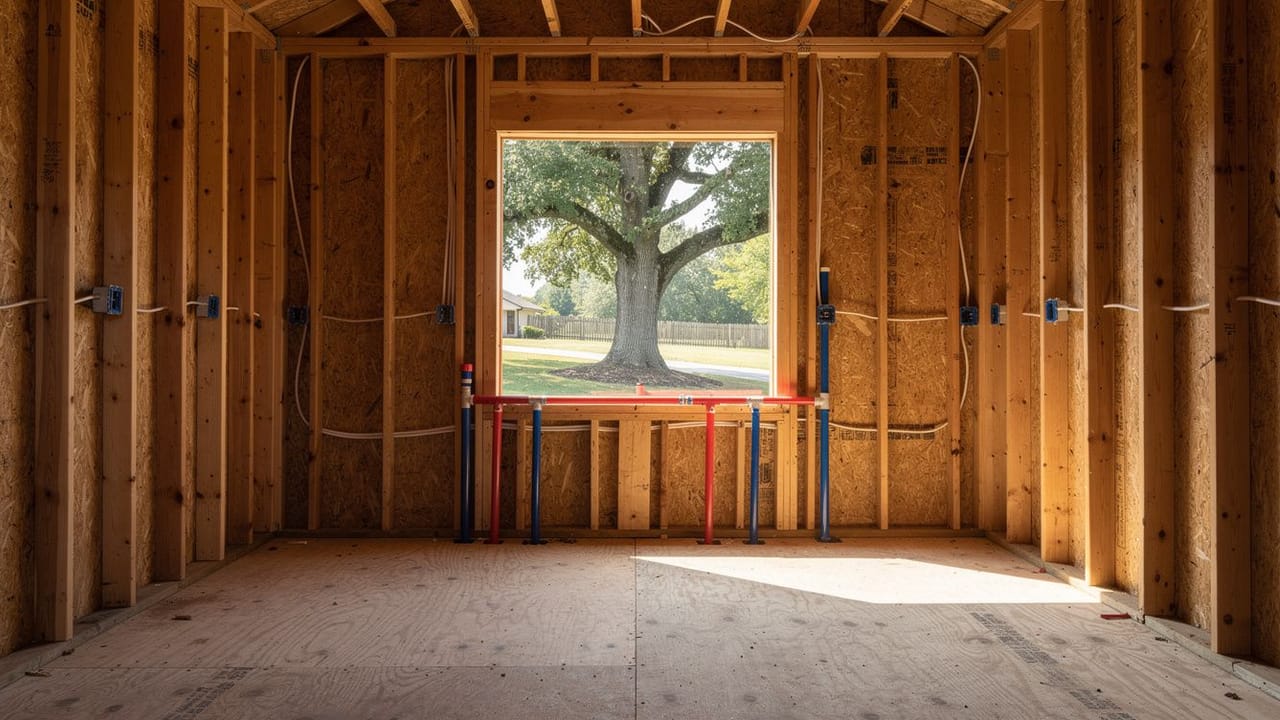
Permits get treated as a tax on building. What you are actually buying is an inspector looking at the work while it can still be seen. Metro Codes’ residential permit page says its inspection division field-checks building, electrical, plumbing, energy and gas and mechanical work during construction, and that window closes once the walls do. The standard they check against is current, too: Metro adopted the 2024 International Codes for plans and applications submitted after July 16, 2025.
What work needs a building permit in Nashville?
In Davidson County, new houses, additions, outbuildings and work past normal maintenance need one, and the residential permit page sets out the list. A new house or an addition needs a building permit, and so does a new garage, carport, porch, deck or storage building, converting an attached garage, unfinished basement or attic into living space, new siding, roofing or a fireplace, demolition, and any repair that goes past normal maintenance, such as altering load-bearing framing or moving partitions. Metro’s page on renovating a single-family home adds that taking out a wall needs a permit even if it carries no load, and that moving an outlet, a switch or a plumbing fixture needs one too. For decks, the deck and patio page says a new or replacement deck needs a permit, as does replacing its footings or framing or more than 100 square feet of deck boards. This is the list we work under on our builds in Nashville; the cities and counties around it keep their own, and a separate building on the lot has rules of its own, covered in our post on permits for a detached garage or workshop.
Normal maintenance does not need a building permit. Metro’s examples include painting inside and out, wallpaper, glazing windows and doors, floor finishing, and repairs to an existing roof up to 33 percent of its area. The renovation page also marks new or replacement kitchen cabinets, vanities with no electrical or plumbing, a door replaced in the same opening, window glass, new insulation and gutters as needing none.
The inspection sequence
Metro does not publish one sequence for every house. When a building permit is paid for and issued, Metro’s building permit process page says it comes with an inspection checklist naming the inspections that project needs before it can get a Use and Occupancy certificate. Electrical, plumbing, gas and mechanical and low voltage work each carry a separate permit and their own inspections, pulled by a licensed subcontractor once the building permit is out, and after the last building and trade inspection the owner gets the final Use and Occupancy letter.
Booking those inspections falls to whoever holds the permit, at the right point in the build. Metro’s inspection request page keeps online scheduling in ePermits to registered licensed contractors; anyone else phones the line for that trade with the Metro permit number, between 7:30 a.m. and 4:00 p.m. on weekdays. We book each one while the work it covers is still open, and nothing of ours gets insulated, drywalled or poured over until the inspector has seen it.
- An inspection checklist issued with the building permit
- Separate permits and inspections for electrical, plumbing, gas and mechanical, and low voltage work
- Inspections booked by the permit holder, through ePermits or by phone
- Nothing covered until the inspector has seen it
- The Use and Occupancy letter after the last inspection
Who pulls the permit, the owner or the contractor?
The contractor normally does, and the contract should name who. Metro’s residential page says contractors licensed and bonded with Codes can pull a building permit within the limits of their license, and its trade permits page says only licensed contractors with an ePermits account can apply for a trade permit online. Licensing itself is state law: the Tennessee Board for Licensing Contractors points to Title 62, Chapter 6 of the Tennessee Code. Our post on what a construction contract should say covers the rest of the paperwork, and checking a contractor before you sign covers the license lookup.
Homeowner permits are legitimate. Metro lets an owner who lives in a single-family house, or intends to, pull a self-permit with notarized affidavits, and the residential page is plain that the owner then assumes all responsibility for the work meeting the zoning, building and trades codes. A self-permit cannot be pulled for a detached accessory dwelling unit, and where the house is held in an LLC or a trust, or is a rental, the renovation page limits it to work under $25,000. A contractor who asks you to pull the permit for work they are doing is handing that responsibility to you, and it is fair to ask why.
Unpermitted work later
Work done without a permit never had that look from an inspector, and once it is behind drywall there is nothing on file to say it was ever seen. Metro’s inspections happen during construction, so an addition, a finished basement or a moved wall that skipped the permit has no inspection behind it. If you are buying a house with work like that, ask whether it was permitted; ePermits can be searched by address, as the deck page notes for tracking an application.
Bringing old work under a permit starts with Metro Codes, since the inspector can only pass what can be seen, and that is a question to ask them before anyone opens a wall. If you have a project coming up and want to know which permits it will need, send us the details and we will tell you what Metro is likely to ask for.
Sources
- Metro Nashville Codes and Building Safety, Residential Building Permit Procedures — What needs a building permit; normal maintenance exempt, including painting, floor finishing and roof repair up to 33 percent; field inspections during construction; licensed and bonded contractors and owner self-permits; owner assumes all responsibility; no self-permit for a DADU
- Metro Nashville Codes, Renovate a Single-Family Residence — Table of renovation work needing a permit, including wall removal even if non-load-bearing and fixture relocation, and work that does not, including cabinets and insulation; LLC, trust and rental self-permits limited to work under $25,000; applicant schedules inspections
- Metro Nashville Codes, Add a Deck or Patio to a Residence — New or replacement decks, footing or framing replacement, and more than 100 square feet of deck boards need a permit; applications tracked by address in ePermits
- Metro Nashville Codes, Building Permit Process — Inspection checklist issued with the permit; separate trade permits and inspections pulled by licensed subcontractors; final Use and Occupancy letter
- Metro Nashville Codes, Requesting an Inspection — ePermits scheduling only for registered licensed contractors; phone scheduling with the permit number, 7:30 a.m. to 4:00 p.m. weekdays
- Metro Nashville Codes, Trades Permits — Only licensed contractors with an ePermits account apply for trade permits online
- Metro Nashville Codes, Metro Adopts 2024 International Building Codes (July 23, 2025) — BL2025-898 adopts the 2024 International Codes for plans and applications submitted after July 16, 2025
- Tennessee Department of Commerce and Insurance, Board for Licensing Contractors — Contractor licensing requirements are in Tennessee Code Annotated, Title 62, Chapter 6
FAQ
How Permits and Inspections Actually Work — questions
Who should pull the permit, me or the contractor?
The contractor, in most cases, and the contract should say so. Metro lets an owner who lives in a single-family house pull a self-permit, but the owner then assumes all responsibility for the work meeting the zoning, building and trades codes. If the contractor doing the work asks you to pull it, ask why before you agree.
What happens if I skip the permit?
The work goes without a Metro inspection, so nobody outside the crew checks it while it is still open. Once it is covered there is no inspection on file for it, and bringing it under a permit later means asking Metro Codes what they need to see, because an inspector can only pass work that is visible.
Does a failed inspection mean the work is bad?
Not necessarily. An inspection that turns up an item while the work is still open is the process doing its job. On our jobs the item gets corrected and the inspector comes back before anything covers it, which is far cheaper than finding it after the drywall is up.
How do you look up building permits on a house?
In Davidson County, search Metro’s ePermits system by the property address. If you are buying a house with an addition, a finished basement or a moved wall, ask whether it was permitted, because work that skipped the permit never had an inspection and nothing on file shows it was seen. Bringing it under a permit starts with Metro Codes.